Beyond the Pump: Understanding Fuel Nozzles and Their Role in Modern Fuel Systems
When people think about fuel systems and fuel nozzles, they often focus on engines, fuel tanks, or pumps. However, one of the most important components in the entire process is the fuel nozzle. This seemingly simple device is responsible for controlling, directing, and optimising fuel delivery in a wide variety of applications, from automobiles and aircraft to industrial machinery and power generation systems.
The efficiency of fuel transfer and combustion depends heavily on the performance of the fuel nozzle. A properly designed nozzle helps reduce waste, improve safety, enhance engine performance, and lower emissions. As industries continue to seek greater efficiency and sustainability, fuel nozzle technology has become more advanced and essential than ever before.
What Is a Fuel Nozzle?
A fuel nozzle is a device that regulates the flow of fuel from a supply source to a destination such as a vehicle fuel tank, engine combustion chamber, or industrial burner. It serves as the final point of delivery in a fuel system and is designed to ensure that fuel is dispensed accurately and safely.
Fuel nozzles are commonly found in:
- Gas stations
- Diesel fueling facilities
- Aircraft engines
- Marine vessels
- Industrial heating systems
- Agricultural equipment
- Power plants
- Construction machinery
Depending on the application, fuel nozzles may be designed for fuel transfer, fuel injection, or fuel atomization.
Why Fuel Nozzles Matter
Fuel nozzles perform much more than a simple dispensing function. Their design directly affects how efficiently fuel is delivered and used.
Key benefits of a high-quality fuel nozzle include:
- Accurate fuel distribution
- Improved combustion efficiency
- Lower fuel consumption
- Reduced environmental impact
- Enhanced operational safety
- Longer equipment lifespan
In many systems, even a small improvement in nozzle performance can lead to significant savings in fuel costs over time.
The Basic Working Principle of a Fuel Nozzle
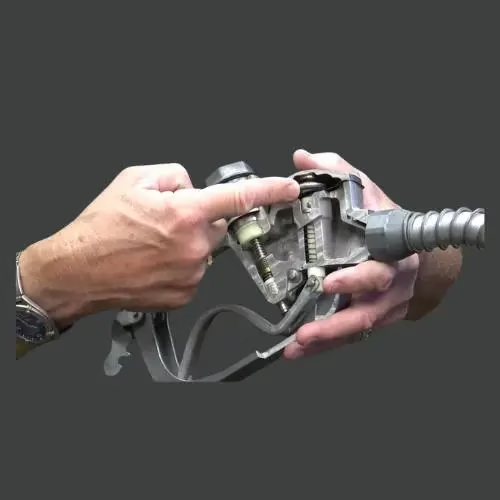
A fuel nozzle operates by controlling the flow and pressure of fuel as it moves through a system. While designs vary widely, the basic process follows several steps:
- Fuel enters the nozzle through a supply line.
- Internal valves regulate the amount of fuel passing through.
- Pressure is managed to maintain consistent flow.
- Fuel exits through an opening designed for a specific delivery pattern.
- Safety mechanisms help prevent overfilling or leakage.
In combustion systems, the nozzle may break fuel into tiny droplets, creating a fine spray that mixes efficiently with air. This process, known as atomization, is essential for effective combustion.
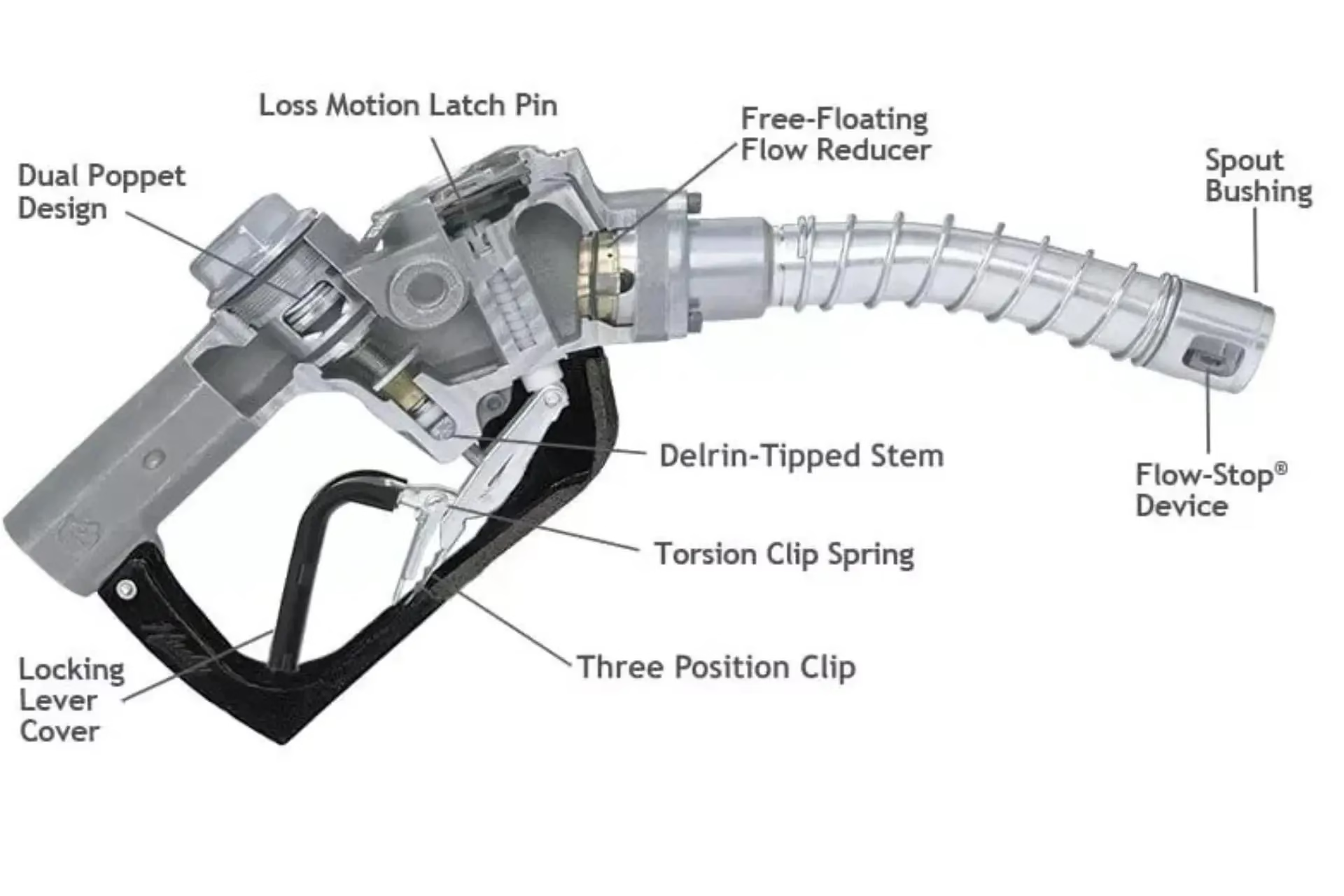
Components of a Fuel Nozzle
Most fuel nozzles contain several important parts that work together to ensure reliable operation.
Nozzle Housing
The housing provides structural support and protects internal components from damage.
Flow Control Valve
This valve regulates fuel flow and prevents unintended discharge when the nozzle is not in use.
Trigger Mechanism
Many dispensing nozzles include a trigger that allows the operator to control fuel delivery.
Automatic Shutoff Feature
Common in retail fueling stations, this feature stops fuel flow automatically when a tank reaches capacity.
Spout
The spout directs fuel into the desired location and is designed according to the type of fuel and application.
Sealing Elements
Gaskets and seals help prevent leaks and maintain pressure within the system.
Types of Fuel Nozzles
Fuel nozzles are available in various designs to suit different industries and operational requirements.
Gasoline Fuel Nozzles
These are the familiar nozzles used at service stations. They often include automatic shutoff systems to prevent spills.
Diesel Fuel Nozzles
Diesel nozzles generally have larger openings and are designed to handle higher flow rates.
Aviation Fuel Nozzles
Aircraft require highly specialized fuel nozzles capable of operating under extreme conditions and delivering fuel with exceptional precision.
Fuel Injector Nozzles
Modern engines use injector nozzles to deliver exact amounts of fuel into the combustion chamber. These nozzles play a major role in engine efficiency and emissions control.
Industrial Burner Nozzles
Industrial heating systems use burner nozzles to create controlled fuel sprays that support stable combustion.
High-Flow Fuel Nozzles
Used in commercial and industrial environments, these nozzles allow rapid fuel transfer to large tanks and equipment.
Fuel Nozzles and Combustion Efficiency
Efficient combustion depends on how well fuel mixes with air. The fuel nozzle has a direct impact on this process.
Benefits of proper fuel atomization include:
- Faster ignition
- More complete combustion
- Increased power output
- Reduced fuel waste
- Lower emissions
Poor atomization can lead to incomplete combustion, carbon buildup, reduced efficiency, and higher operating costs.
Because of this, nozzle design is a major focus in industries that rely on fuel-powered equipment.
Applications Across Industries
Fuel nozzles are used in nearly every sector that relies on liquid fuels.
Automotive Industry
Fuel injector nozzles in modern vehicles precisely control fuel delivery, improving performance and fuel economy.
Aviation
Jet engines depend on advanced fuel nozzles to distribute fuel evenly and maintain stable combustion at high altitudes and temperatures.
Agriculture
Farm equipment such as tractors, harvesters, and irrigation pumps relies on durable fuel nozzles for dependable operation.
Marine Transportation
Ships and boats use fuel nozzles designed to withstand harsh marine environments and varying fuel qualities.
Manufacturing
Industrial burners equipped with fuel nozzles provide heat for processes such as metalworking, drying, and material production.
Energy Production
Power plants use specialized fuel nozzles to optimize combustion efficiency and energy output.
Safety Features in Modern Fuel Nozzles
Safety is one of the most important considerations in fuel handling. Modern fuel nozzles incorporate multiple features to reduce risks.
Automatic Shutoff
This mechanism detects when a fuel tank is full and stops fuel flow automatically.
Leak Prevention Systems
Advanced seals and valve designs minimize the possibility of fuel leakage.
Pressure Control
Pressure-regulating systems help prevent sudden surges that could damage equipment or create hazardous conditions.
Anti-Spill Designs
Many nozzles include features that reduce fuel spillage during fueling operations.
Durable Construction
Impact-resistant materials improve reliability in demanding environments.
These safety innovations help protect workers, equipment, and the environment.
Common Fuel Nozzle Problems
Even the best fuel nozzles require maintenance and occasional repairs.
Clogged Openings
Contaminants and fuel deposits can restrict flow and alter spray patterns.
Worn Components
Frequent use can cause wear in moving parts, reducing accuracy and reliability.
Corrosion
Exposure to moisture and chemicals may damage internal surfaces.
Fuel Leaks
Damaged seals and gaskets can result in leakage, increasing safety risks.
Inconsistent Spray Patterns
Wear or blockage can affect atomization and combustion efficiency.
Addressing these issues promptly helps maintain optimal system performance.
Maintaining Fuel Nozzles for Long-Term Performance
Proper maintenance extends equipment life and improves fuel efficiency.
Recommended maintenance practices include:
Routine Inspections
Regular visual inspections can identify leaks, corrosion, and physical damage.
Cleaning Procedures
Removing debris and deposits helps maintain proper fuel flow.
Seal Replacement
Replacing worn seals prevents leaks and pressure loss.
Performance Testing
Periodic testing ensures that nozzles continue to operate within design specifications.
Scheduled Servicing
Following manufacturer recommendations helps prevent unexpected failures.
A proactive maintenance program can significantly reduce downtime and repair costs.
Environmental Benefits of Advanced Fuel Nozzle Design
Environmental regulations continue to drive innovation in fuel delivery technology.
Modern fuel nozzles contribute to sustainability by:
- Reducing fuel waste
- Improving combustion efficiency
- Lowering carbon emissions
- Minimizing fuel spills
- Supporting cleaner energy systems
In industrial settings, advanced nozzles help companies meet strict environmental standards while maintaining productivity.
Future Trends in Fuel Nozzle Technology
The future of fuel nozzle development is focused on efficiency, reliability, and compatibility with emerging energy sources.
Smart Fuel Nozzles
Integrated sensors and digital monitoring systems can track performance and predict maintenance needs.
Precision Engineering
Advanced manufacturing techniques enable highly accurate fuel delivery systems.
3D-Printed Components
Additive manufacturing allows engineers to create complex internal structures that improve fuel flow and atomization.
Alternative Fuel Support
New nozzle designs are being developed for hydrogen, biofuels, renewable diesel, and synthetic fuels.
Improved Materials
Advanced alloys and coatings offer better resistance to heat, corrosion, and wear.
These innovations will help industries achieve higher performance while reducing environmental impact.
To stay updated with the latest trends in fuel systems, industrial equipment, and emerging technologies, explore more articles at Loviza Pro Technology.
Conclusion
The fuel nozzle is a small but indispensable component in fuel delivery and combustion systems. From fueling vehicles at service stations to powering aircraft and industrial machinery, fuel nozzles ensure that fuel is delivered accurately, efficiently, and safely.
As technology advances, fuel nozzles are becoming smarter, more durable, and more environmentally friendly. Their role in improving fuel efficiency, reducing emissions, and supporting alternative energy solutions makes them a critical part of modern transportation and industrial infrastructure.
Organizations that invest in high-quality fuel nozzles and proper maintenance practices can benefit from improved performance, lower operating costs, enhanced safety, and greater long-term reliability. In an increasingly energy-conscious world, the importance of fuel nozzle technology will only continue to grow.