
Specialized Technology Resources Inc: A Simple Guide
Specialized Technology Resources Inc., called STR, was a company from Connecticut, USA. STR started small but gained worldwide recognition. It focused on two key areas: developing products for solar panels and testing their safety. Specialized Technology Resources Inc. (STR) was a company from Connecticut, USA, known for its work in solar energy and product safety testing. Starting in 1944, it grew from a small plastics-focused business into a global name. STR created materials that protected solar panels and ensured products were safe for use. Its efforts helped improve solar energy and product reliability worldwide.
Researchers and analysts have highlighted STR’s role in advancing solar technology and safety standards. Studies show that its EVA encapsulant innovation extended the life of solar panels, making them more reliable. Scholars also noted STR’s global testing services, which helped businesses meet safety rules in many countries. These contributions made STR a trusted name in both solar energy and product testing.
STR’s story inspires businesses to innovate and adapt. Its work in solar energy made renewable power more accessible. Even after closing in 2023, STR’s ideas and products continue to influence industries. The company’s journey shows how small beginnings can lead to global impact, encouraging others to dream big and embrace change.
How STR Started
STR began in 1944. Its first name was DeBell & Richardson Inc. This company was the first in the US to work only on plastics. It was very good at learning how to make new plastic things. These skills helped STR become important in solar energy.
In 1972, Robert C. Springborn bought the company. He changed the name to Springborn Laboratories. The company started checking the safety of chemicals, plastics, and electrical items. This helped STR get more customers.
STR and Solar Panels
STR did something special in the 1970s. It worked with the US government to make a new plastic material called EVA encapsulant. This protects solar panels from water, dust, and the sun, so they last longer.
Many big companies use STR’s solar products. STR made products that worked for both main kinds of solar panels: crystal and thin film. STR kept improving these products with stronger materials and faster ways to make them. They put factories in the US, Malaysia, and Spain, so it was easy to ship to customers in many places.
STR and Product Checking
In 1983, STR started a new job: testing products. STR wanted to help companies make sure their products, like tools and home stuff, were safe. STR built labs and offices in 37 countries.
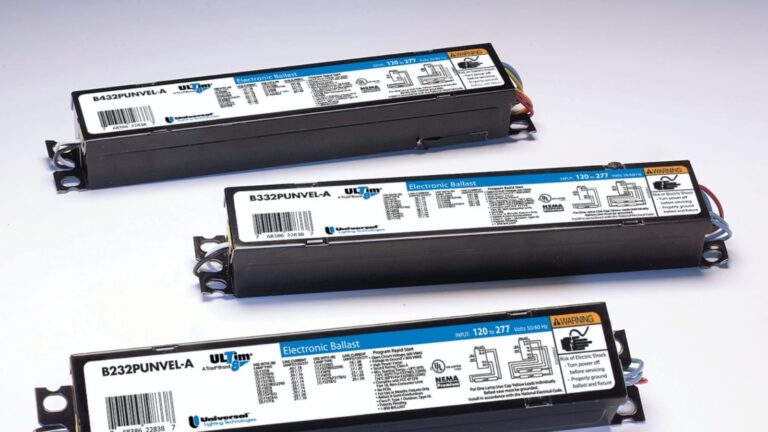
The company earned over 45 important certificates, showing it did a good job. STR tested things like lamps, power tools, and lights used for holidays. STR made sure these things were safe and lasted a long time.
Who STR Helped
STR helped many kinds of businesses. Some made products, some sold products, and some needed to check rules before selling in different countries. STR gave advice on safety rules, helping clients get their products into more markets.
Changes in the Company
STR had different names as it grew. In 1996, it was called Springborn Testing and Research. 1998, it became Specialized Technology Resources, or STR.
In 2007, a big investment group bought STR and gave it money to grow. 2009, people could buy shares of STR on the stock market.
By 2011, STR sold its testing business to Underwriters Laboratories. After that, STR focused only on solar panel products.
What STR Did for the World
STR made solar energy better and cheaper. Their products helped more people trust and buy solar panels. STR also made sure products in stores were safe by testing them first.
People at STR knew a lot and taught their customers about science and safety. STR also worked with governments and other groups to share helpful information on solar energy and safety testing.
The End of STR
Lots of things have changed in energy and technology. STR closed down on September 14, 2023. The company did not close because it failed, but because the world of business changed.
Still, STR’s good work lives on. Other companies and people use STR’s ideas and products today.
Lessons from STR
STR shows us that even small companies can have big ideas. Learning, working hard, and caring about safety are important. It’s also good to be ready for change. STR’s story teaches us to learn, grow, and try new things.