Radiology Tech Salary Guide 2026: State-Wise Pay, High-Paying Jobs & Career Growth
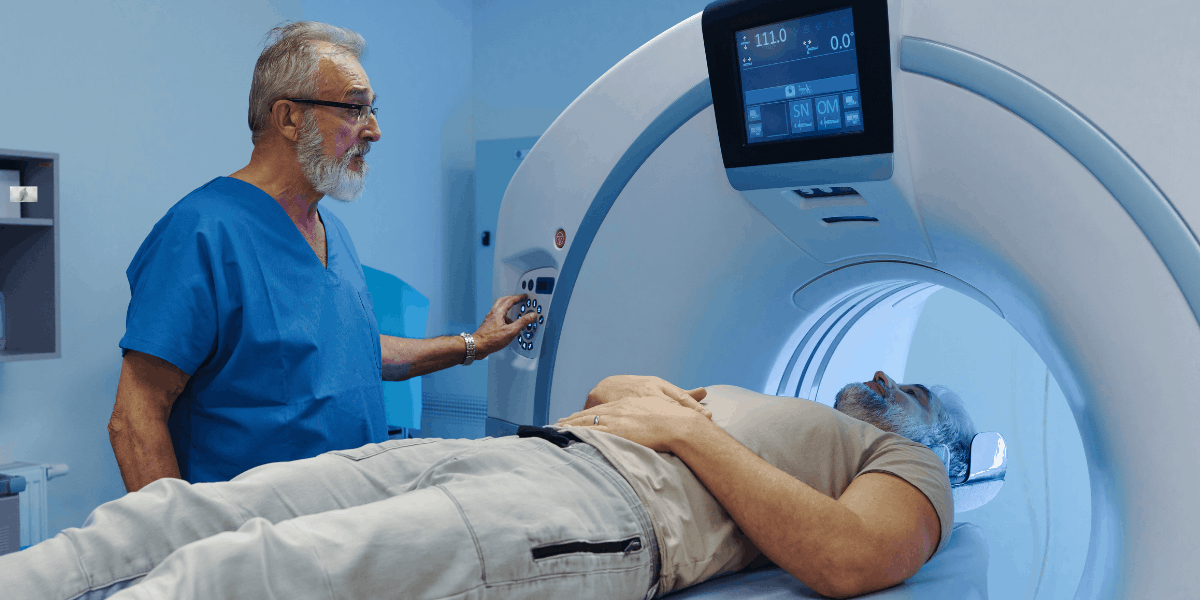
A career in radiology technology is one of the few stable and financially rewarding careers in the healthcare field. Technicians or technologists, sometimes referred to as X-ray technicians, are essential contributors in detecting injuries and illnesses. These technologists work directly with patients, run sophisticated imaging equipment and are instrumental in providing physicians with the information they need to make accurate medical diagnoses.
One of the largest reasons people go into this field is the high earning potential. Radiology tech salary can vary due to factors such as experience, education level, certifications and location. With the right skills and training, many technologists make significantly more than the national average and experience long-term career growth.
If you want to know about radiology tech salaries, this article will help you. We used data from the U.S. Bureau of Labour Statistics, ZipRecruiter, PayScale, and other industry sources to give you a clear idea of how much radiology techs earn in the United States.
How Much Does a Radiology Technician Make?
The U.S. Bureau of Labour Statistics (BLS) reported that as of May 2024, the median annual salary for radiologic technologists was $78,980.
- Bottom 10% earned: $52,360 – $64,910
- Top 10% highest: $106,990 – $121,420
The vast salary range demonstrates just how much earnings may increase with experience, specialisation, and geography. Radiologic tech salary upward trend remains steady as the need for healthcare grows and imaging technology just gets better.
Radiology Tech Salary by State
Where you work greatly affects your radiology tech salary. States with higher demand, big cities, and areas with a higher cost of living usually offer higher pay.
Average Annual Radiology Tech Salary by State
| State | Annual Salary | Hourly Wage |
| Washington | $108,615 | $52.22 |
| District of Columbia | $108,368 | $52.10 |
| New York | $104,917 | $50.44 |
| Massachusetts | $104,734 | $50.35 |
| Alaska | $103,278 | $49.65 |
| Vermont | $101,965 | $49.02 |
| Oregon | $101,393 | $48.75 |
| Colorado | $100,840 | $48.48 |
| California | $94,643 | $45.50 |
| Texas | $89,345 | $42.95 |
| Florida | $71,665 | $34.45 |
| West Virginia | $74,242 | $35.69 |
Source: ZipRecruiter, May 2025
While high-paying states offer better wages, it is also important to compare salaries with the cost of living before making career decisions.
Highest-Paying Cities for Radiology Technologists
Urban areas usually offer higher salaries due to larger healthcare systems and higher demand. According to BLS data, many of the highest-paying metro areas are in California.
Top Paying Metro Areas
| Metro Area | Median Annual Salary |
| Vallejo, CA | $169,020 |
| San Jose, CA | $157,170 |
| San Francisco, CA | $136,730 |
| Sacramento, CA | $130,710 |
| Los Angeles, CA | $102,310 |
| San Diego, CA | $106,720 |
Large cities offer more job opportunities, advanced facilities, and higher pay to attract skilled professionals.
9 High-Paying Radiology Tech Jobs
Specialisation is one of the quickest methods for growing radiology tech’s salary. Roles in advanced imaging require additional training and certification, but they also lead to higher pay, better job security and opportunities for career advancement. The following are the best-paying radiology tech jobs, along with details about each role.
1. Nuclear Medicine Technologist
Salary Range: $54,000 – $124,000
Nuclear medicine technologists operate equipment that creates images of areas of a patient’s body. They’re like the high-tech cameras they use to look at how organs function, and not what they are made up of. This position requires comprehensive training in radiation safety and patient manipulation necessary for completing imaging studies. It has one of the best radiology tech salary ranges due to the high responsibility and specialised skills required.
2. Interventional Radiology Technologist
Salary Range: $54,000 – $119,000
Interventional radiology technologists help doctors perform minimally invasive procedures, including angioplasty, stent placement and biopsies. They labor in operating-roomlike settings and adhere to rigorous protocols of sterility. Certifications and advanced technical skills may be required. These are critical elements that contribute to earning power in the field.
3. Diagnostic Medical Sonographer
Salary Range: $52,000 – $104,000
Diagnostic medical sonographers operate special imaging equipment to create images or conduct tests. They typically specialise in a field like vascular, cardiac or breast imaging. Advanced specialisations tend to bring higher pay. This job requires a mix of patient interaction and technical skill, which helps to drive salary growth.
4. Cardiovascular Technologist
Salary Range: $46,000 – $103,000
Cardiovascular technologists work under the supervision of doctors as they perform heart and vascular image testing. They commonly work in hospitals and in cardiac catheterization labs. The work requires precision, rapid decision-making and team play. Due to the high impact, this role provides a competitive salary.
5. MRI Technologist
Salary Range: $50,000 – $94,000
MRI technologists use magnetic resonance imaging (MRI) scanners to take pictures of the soft tissues, organs, and the nervous system. They provide combatant safety in the presence of strong magnetic fields. Specialised training and attention to detail are an absolute must for this position. These abilities contribute to the overall radiology tech salary growth.
6. PET Technologist
Salary Range: $46,000 – $91,000
PET technologists are positron emission tomography imaging specialists who help diagnose cancer, heart disease and neurological diseases. They collaborate closely with radioactive tracers and imaging software. Extensive experience in radiopharmaceuticals is an essential need for this position. A narrow specialisation can lead to better teamwork and higher pay.
7. Vascular Technologist
Salary Range: $49,000 – $89,000
Vascular technologists specialise in imaging blood vessels to find clots, blockages and circulation problems. They are important for the early detection of vascular disorders. Salary levels are stable, with cardiovascular demand on the rise. Additional experience and certification can lead to higher earnings.
8. CT Technologist
Salary Range: $47,000 – $89,000
CT technologists conduct computed tomography scans in hospitals and diagnostic locations. They tend to work in emergency settings, covering trauma and less urgent cases. Working at a fast pace and working shifts increases the chance of earning. Many tech workers supplement their income with overtime and certifications.
9. Mammography Technologist
Salary Range: $41,000 – $87,000
Mammography technologists are experts in breast imaging used for early cancer detection. They also need good communication skills, as many of the patients will be anxious. Attention to detail and patient care are essential in this position. With further certification, both job prospects and pay can be better.
Radiology Tech Salary by Experience Level
Experience directly impacts earning potential.
| Experience Level | Average Hourly Pay |
| Less than 1 year | $23.02 |
| 1–4 years | $23.10 |
| 5–9 years | $24.73 |
| 10–19 years | $30.54 |
| 20+ years | $28.91 |
Senior technologists often move into supervisory or specialised roles, increasing overall income.
Salary by Work Setting
Different healthcare environments offer different pay scales.
| Work Setting | Median Annual Salary |
| Federal Government | $93,970 |
| Outpatient Care Centers | $81,000 |
| Hospitals | $78,560 |
| Diagnostic Labs | $76,770 |
| Physician Offices | $66,060 |
Hospitals and speciality centres usually offer better compensation and career growth options.
How to Increase Your Radiology Tech Salary
There are several things you can do to boost earnings:
- Do further certifications such as MRI, CT, or Mammography
- Cross-train in multiple modalities
- Base salary is negotiable based on experience and demand.
- Work overtime or night shifts
- Select per diem or contract positions
- Continue education beyond high school, such as an undergraduate degree
Every chunk adds to employability and long-term earning ability.
Job Outlook and Career Stability
Radiology technology has excellent job security. The BLS predicts the job growth through 2034 will be 4.3%, which is higher than the average for most occupations.
An ageing population, progress in medical imaging technology and greater access to emergency medical care all contribute to demand for highly trained radiology technologists.
Radiology Tech Salary vs Related Healthcare Careers
| Career | Median Annual Salary |
| Radiologic Technologist | $77,660 |
| Radiation Therapist | $101,990 |
| MRI Technologist | $78,980 |
| Cardiovascular Technologist | $67,260 |
| Surgical Technologist | $62,830 |
Radiology technology offers a strong balance between education cost, salary, and career growth.
Final Thoughts
Radiology tech pay is competitive and increases with specialisation, experience, and location. Whether you decide on general radiography or to specialise in advanced imaging such as MRI, CT or nuclear medicine, this career offers financial security and the knowledge that you help people.
With appropriate education and certifications, radiology techs have the opportunity to create a long-term career that comes along with great earning potential, job security and growth.